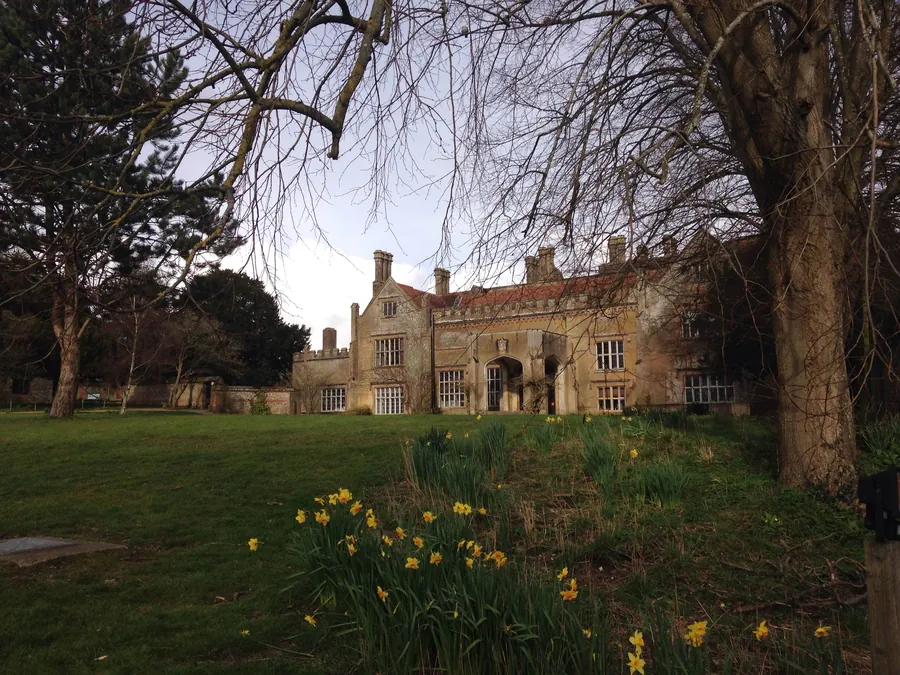
Marwell Zoo
Marwell Zoo is a 140-acre (57 ha) zoo situated in Colden Common near Winchester, in the English county of Hampshire.
Marwell Zoo, Winchester Cathedral and more: the attractions, the days out and how to plan your visit.
Winchester is the county town of Hampshire, a cathedral city on the River Itchen at the western end of the South Downs National Park, 60 miles (97 km) south-west of London and 14 miles (23 km) from Southampton. The built-up area held 48,478 people at the 2021 census, the wider district 127,439. Much of its business is administrative: Hampshire County Council has its head offices here. The visitor part is small, the circuit of the main sights running to about 2.4 km of walking, and it suits people who want a medieval centre they can cover on foot with one long thread of history through it. Alfred the Great governed from Winchester when it was the capital of Wessex, and then of England south of the Danelaw, until the Norman Conquest.
The old centre lies on the west side of the Itchen, and almost everything worth walking to hangs off the High Street.
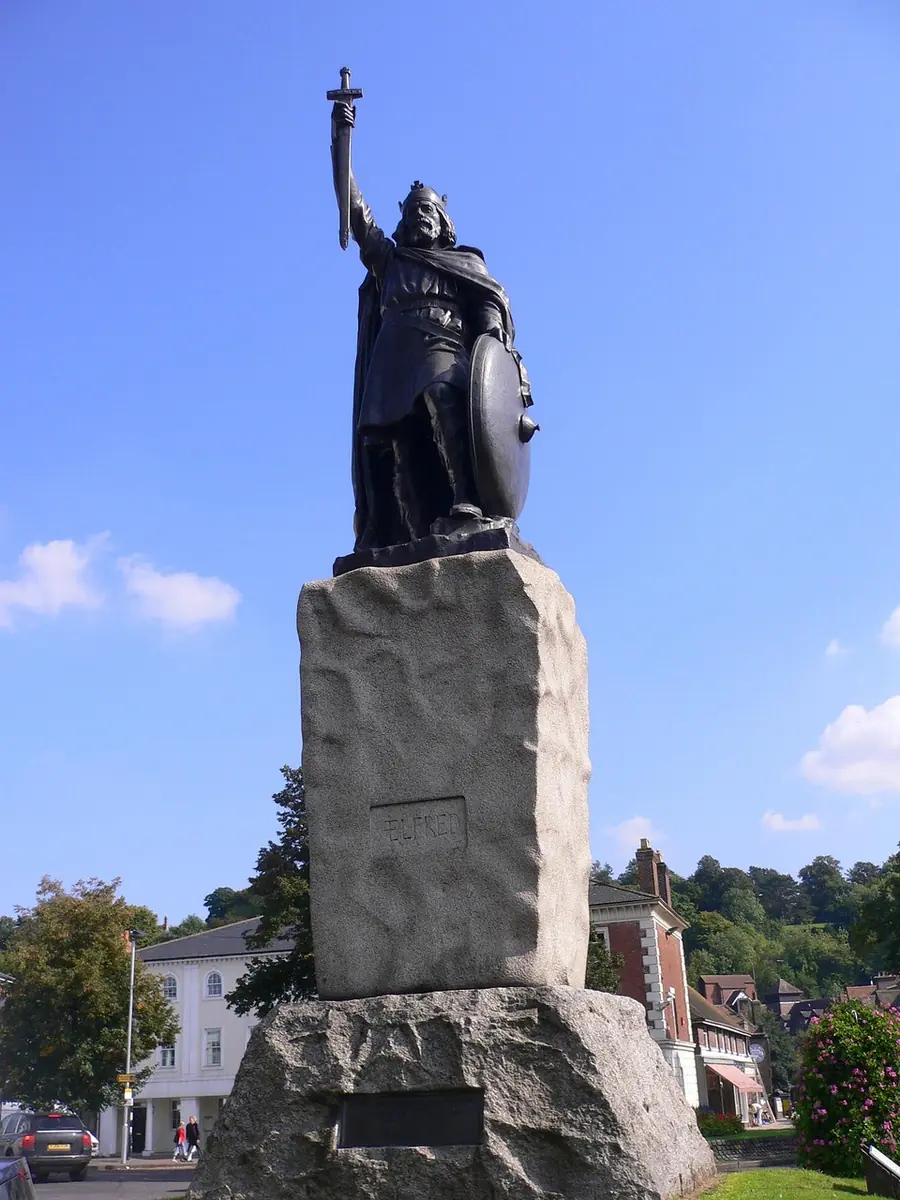
At one end of it stands the Westgate, one of two surviving fortified gateways from the city walls, Anglo-Saxon in its earliest fabric and in use until 1959, when the High Street was routed around it. Halfway along is the 15th-century Buttercross, in the middle of the shopping street. At the other end, on The Broadway, stands Hamo Thornycroft’s bronze of Alfred, commissioned in 1899 for the millennium of the king’s death. Abbey Gardens open off it between the statue and the back of the cathedral, with the Itchen running through them; the bus station is 200 m away.
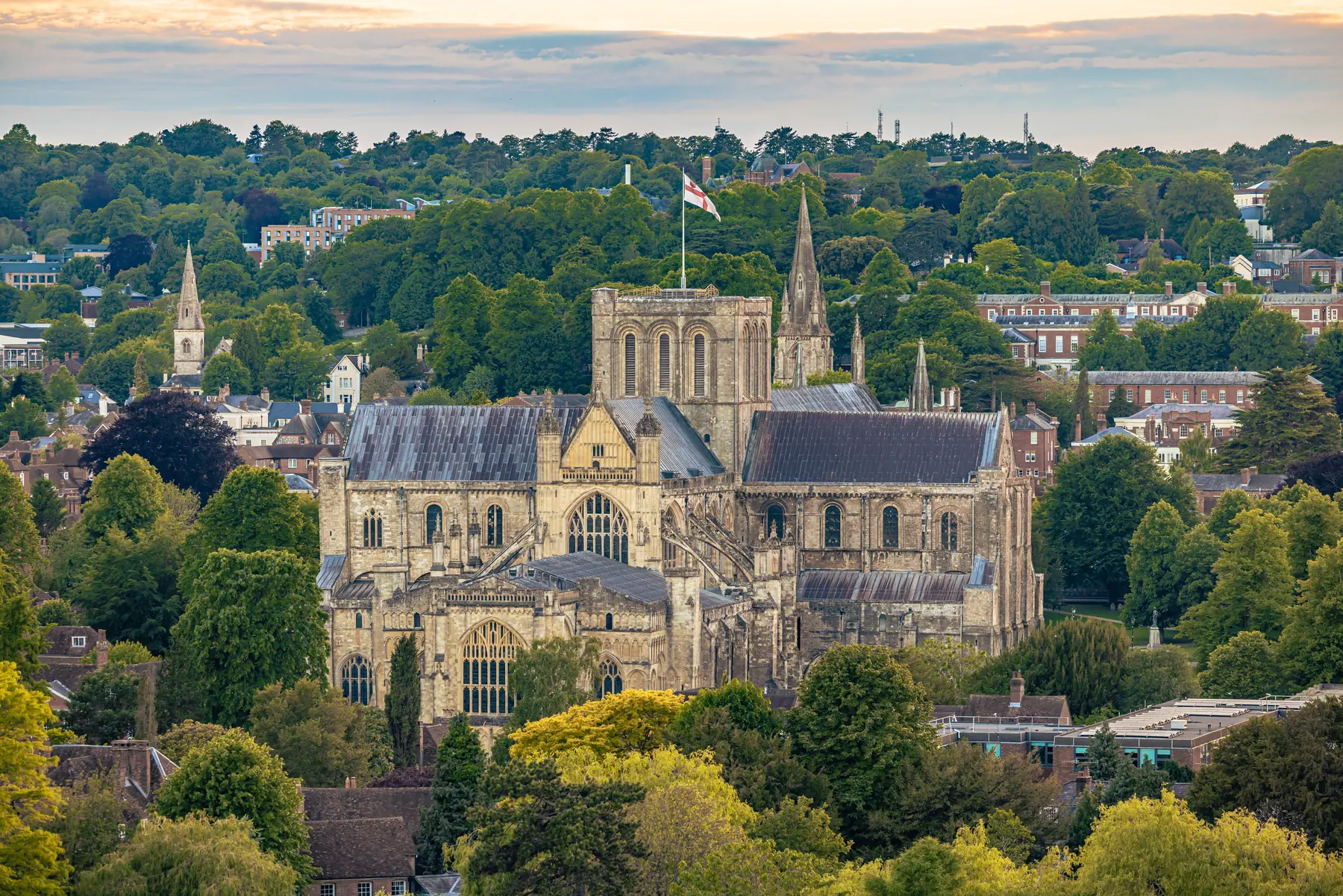
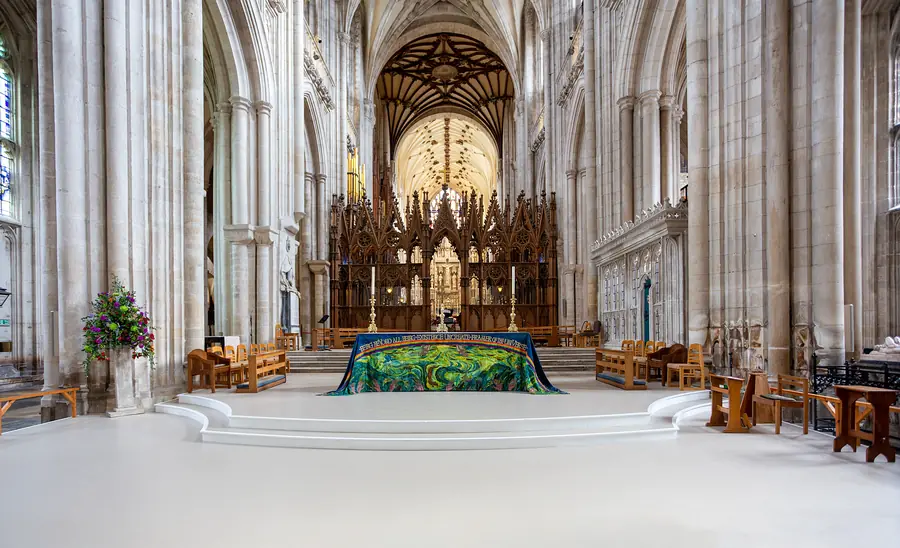
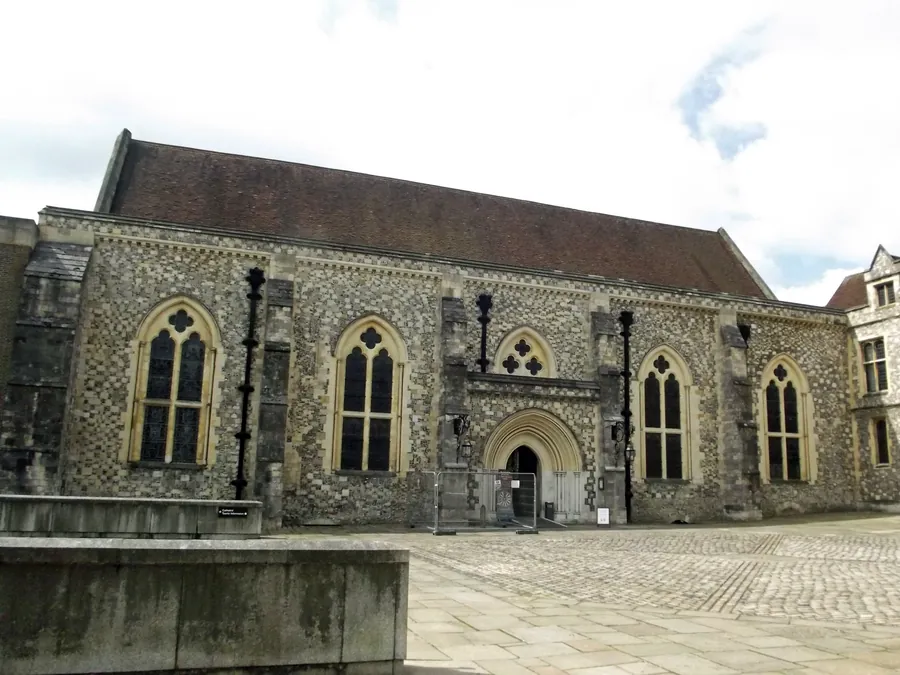
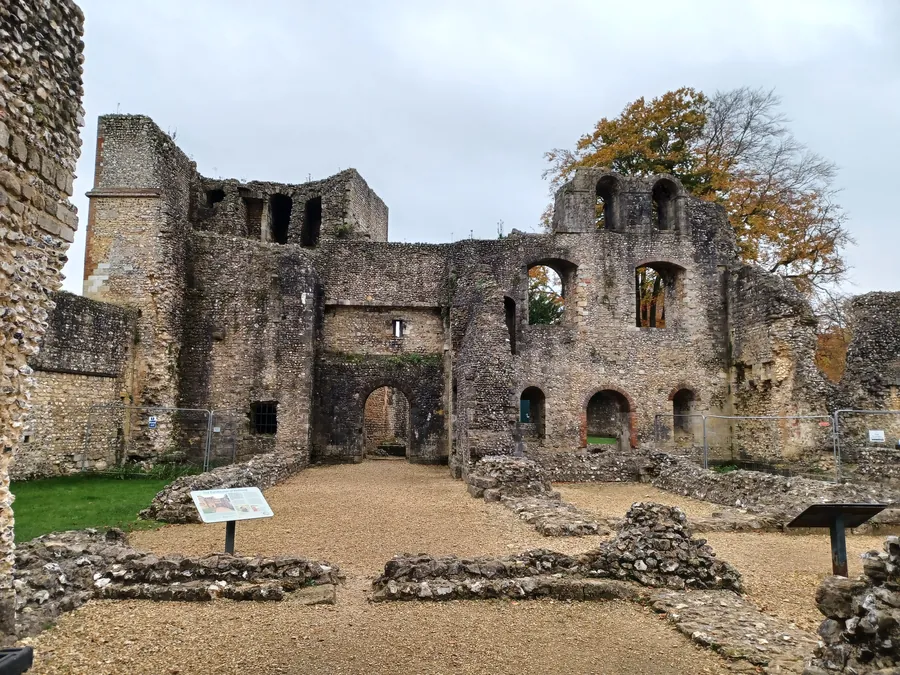
By the Westgate end is what survives of Winchester Castle: Cromwell ordered it destroyed in 1649, leaving only Henry III’s Great Hall, which holds the round table long attributed to King Arthur and now thought to be a fake made for Henry VIII. The cathedral, among the largest of its kind in northern Europe, is ticketed; reviewers single out the nave, Jane Austen’s grave and the Antony Gormley figure in the crypt. Winchester College, founded in 1382 and thought the country’s oldest continuously running school, gives hour-long tours. Past the Church of St Swithun upon Kingsgate, the only church left in England standing above a city gate, are the free ruins of Wolvesey Castle, the bishops’ chief residence.
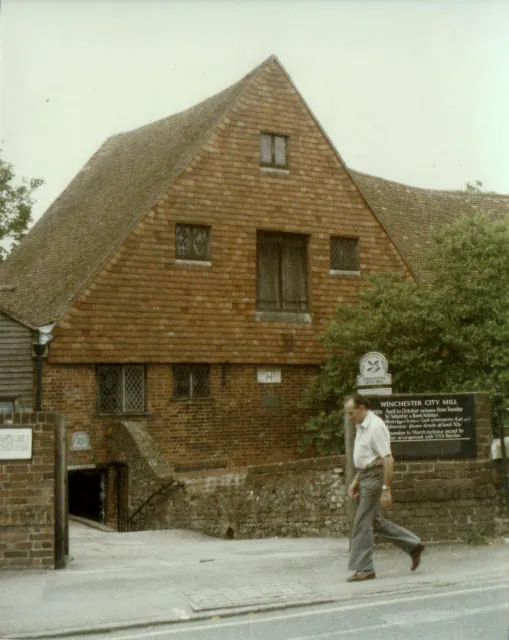
The river edge is the quiet side: the National Trust’s City Mill on Bridge Street, with a walkway underneath almost at river level, and a signposted half-hour walk from it along the Itchen to the Hospital of St Cross, founded in the 1130s for thirteen poor men and still home to 25 Brothers. The mainline station is 0.9 km out, about ten minutes on foot, with direct South Western Railway trains from London Waterloo roughly every half hour.
Less than a cathedral city’s reputation suggests. Across 120 recent visitor reviews of the main sights, eight mention crowds or busyness at all, several of them describing the shopping street rather than a queue. A visitor to the Great Hall in May 2026 found it “pleasantly quiet, which made the visit feel calm and enjoyable”. One on St Catherine’s Hill the same month reported, “Visited on bank holiday Monday and saw only a few people on the hill. Cafe at the bottom was busy.”
Parking is the more common complaint. In the centre it can be difficult; Wikivoyage’s advice for a day visit is the park and ride, at South Winchester and at East Winchester on Garnier Road. Out on the downs the car parks are free and small, and they fill: at Old Winchester Hill a visitor in August 2019 warned that “Parking can be difficult at weekends and other busy periods as it fills up quite quickly.”
What interrupts a visit here is works and volunteer rotas, not numbers. A visitor reached the Buttercross in June 2026 to find “It was covered in scaffolding and tarpaulins so didn’t actually get to see it.” Wolvesey Castle is opened by volunteers: when it is shut, a visitor explained in March 2025, “that’s because it’s volunteers who willingly use their free time to open, close and do site checks”.
A day covers the city. The walking day published here runs Alfred’s statue, coffee on the High Street, Abbey Gardens, Wolvesey Castle, the cathedral, lunch on Kingsgate Street and the Great Hall: 2.4 km, roughly 40 minutes on foot spread across the day, plus about 20 minutes back to the Chesil Street car park.
The sights are mostly short. Wolvesey is a ruin with good information boards and, as a visitor put it in June 2026, “worth 30 minutes of your time”. The Great Hall is essentially one room, and a reviewer in December 2025 who felt the city deserved better wrote that “The Great Hall itself is quite small”. The cathedral is the exception, with volunteer-led tours and an upper-floor exhibition to work through. Half a day buys the cathedral, the High Street and the statue, and little else. Two nights adds St Catherine’s Hill, chalk downland owned by Winchester College and open to the public, with steps to a wooded top and a turf labyrinth; the water meadows; the Hospital of St Cross walk; and the traffic-free stretch of National Cycle Route 23 over the Hockley Viaduct, reopened in February 2013.
Distances are straight-line from the centre. Headbourne Worthy is 3.2 km out, with the Iron Age barrows at Flowerdown; Hursley, a village of around 900 people, is 6.8 km, midway to Romsey. Colden Common, 7.0 km south, holds Marwell Zoo — more than 500 animals of 145 species, run by the charity Marwell Wildlife, 4.4 from 10,964 Google reviews. Opinion on it divides: a visitor in June 2026 described a “New style zoo, fewer numbers of species in larger paddocks and enclosures”, and a one-star review in August 2026 called the enclosures too bare, too dry and too small.
New Alresford, 11.2 km north-east, is the base of the preserved Watercress Line to Alton — a heritage railway, not a way of reaching the city by train. Bishop’s Waltham, 13.9 km, is a medieval market town at the source of the River Hamble with the free ruins of the bishops’ palace, where a visitor in July 2026 noted that “some areas are subject to falling masonry”. Romsey, is 15.1 km in a straight line.
Old Winchester Hill, despite the name, is not in Winchester: it lies out in the South Downs at Warnford, and needs a car.
The most-visited sights in and around Winchester.
Marwell Zoo is a 140-acre (57 ha) zoo situated in Colden Common near Winchester, in the English county of Hampshire.
Winchester Cathedral, formally the Cathedral Church of the Holy Trinity and of Saint Peter and Saint Paul and of Saint Swithun in Winchester, is the…
The Statue of Alfred the Great is located in the centre of Winchester, England.
The top sights on one map — and a sensible order to see them in.
Want live prices and dates? GetYourGuide's booking widget shows them, and sets their cookies in your browser when it loads.
The five-day forecast for Winchester, updated through the day.
Wet days ahead? Ideas for Winchester in the rain →
Forecast data from MET Norway (CC BY 4.0), summarised by day.
The most convenient airports for Winchester are (in order of distance): Southampton Airport is a relatively small airport and serves destinations in the UK and Europe. There is a direct rail service from Southampton Airport Parkway station, which is immediately adjacent to the airport terminal building, to Winchester; four trains an hour take about 10 minutes for the journey. Bournemouth Airport is a relatively…
Written from what we found on the ground.
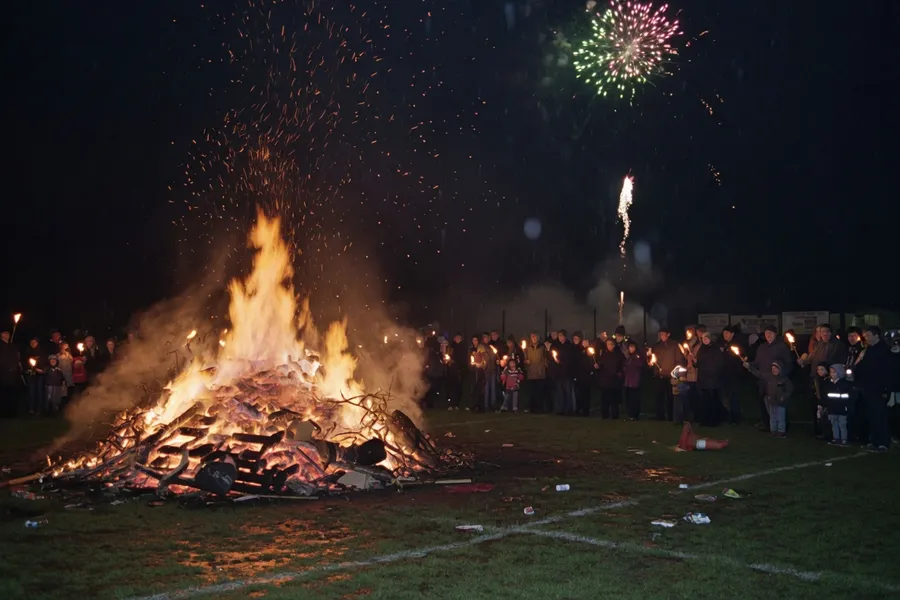 Winchester Bonfire and Fireworks 2026: Your Guide to the 7 November Event The practical guide to Winchester Bonfire and Fireworks on Saturday 7 November 2026 - tickets, the free torchlit procession, road closures and what to wear. Read the guide →
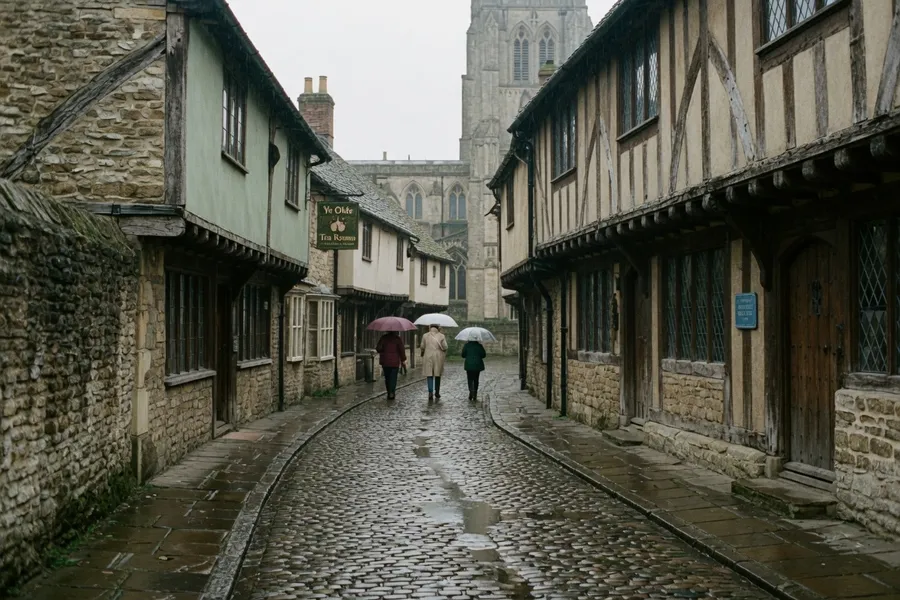 Winchester on a budget A money-first plan for Winchester - what is genuinely free, which single ticket repays its cost, and how to eat well for under £10. Read the guide →
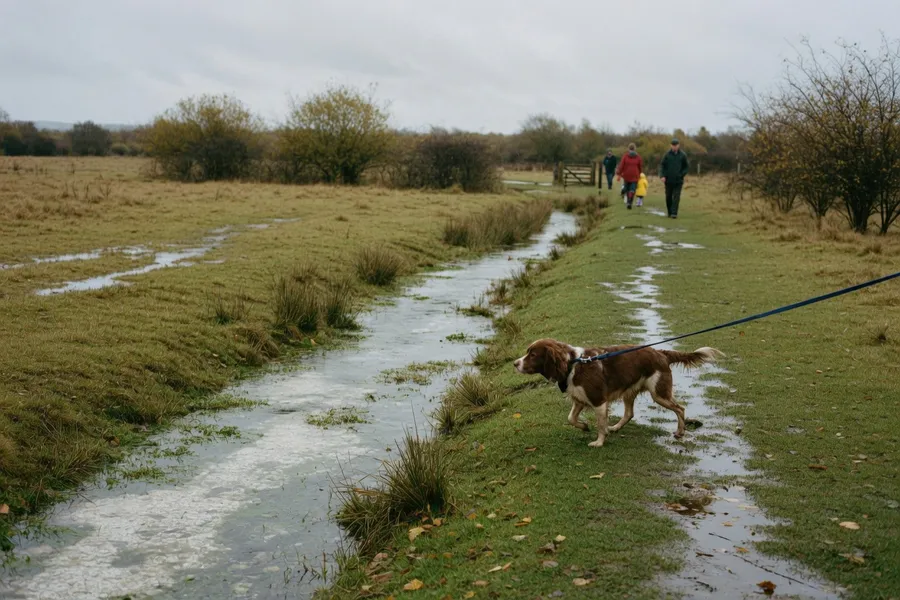 Dog-friendly Winchester Where Winchester genuinely welcomes a dog - the water meadows and St Catherine's Hill - and where it does not: the assistance-dogs-only reserves, the cafe rules and the Christmas Market's own advice. Read the guide →
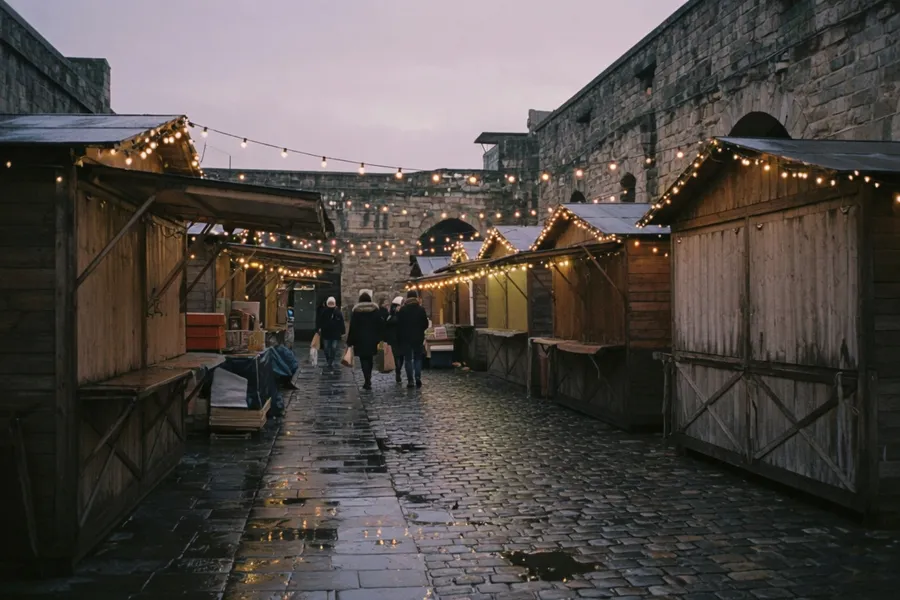 Winchester in winter A practical off-season guide to Winchester between late November and early January: the cathedral Christmas market and its moving dates, choral worship, winter walks in short light, and what stays open and what closes. Read the guide →