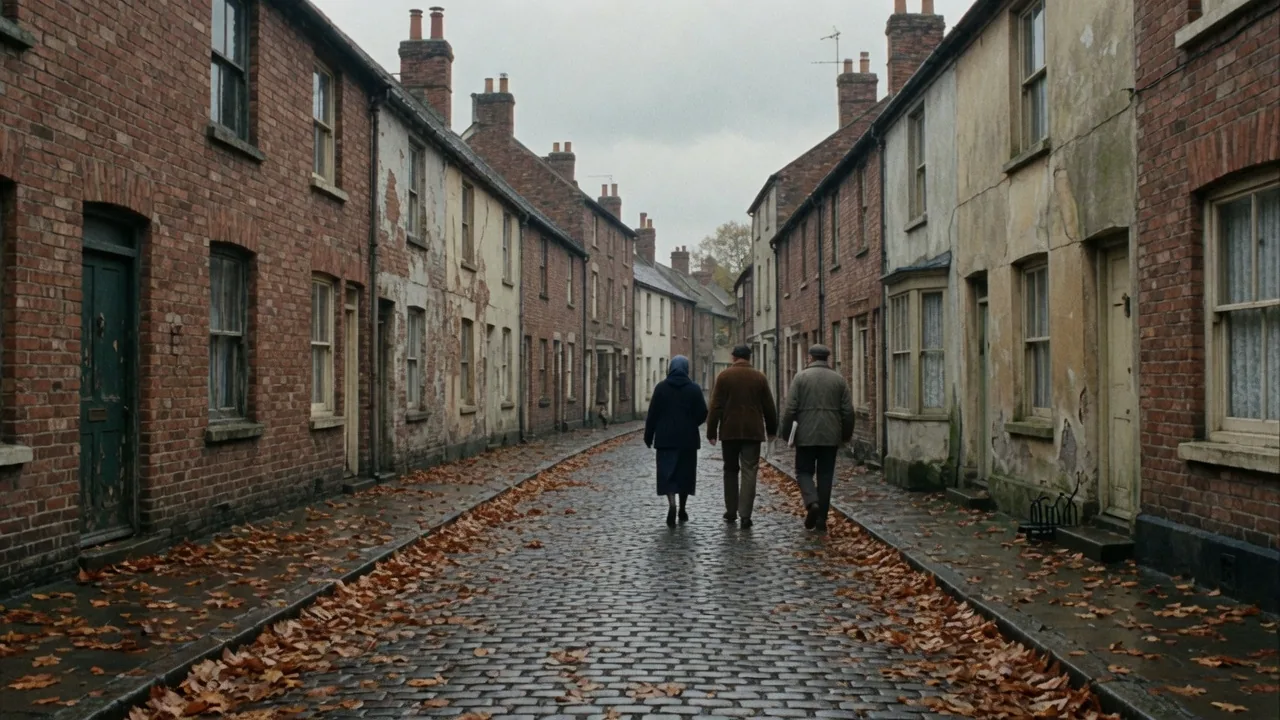
Winchester is a year-round city in a way that a pure resort is not. The University of Winchester, the School of Art, a working High Street and a cathedral that never closes for the season keep the lights on in January. That does not mean every month is the same month. Picking a Saturday in August is a different holiday from a Tuesday in May.
Come in May or September if you want the city without the crush. Come in June for long evenings on the Itchen. Come in August only on purpose — it is busy, but it is not a beach crush. Come in winter for wet stone, a flooded crypt and a hall with a fire in the memory. Do not arrive at midday on a summer Saturday and expect a quiet nave at Winchester Cathedral.
The cathedral is the year-round draw. Everything else — the meadows, the students, the Hat Fair, the car parks — moves around it.
This is the season the city would advertise if August did not pay the bills. The streets are quieter. Abbey Gardens put on bedding, the Itchen runs clear through the channels, and you can sit by it without sharing the bench with a coach party. St Catherine’s Hill comes into chalk flower from May: orchids, round-headed rampion, the first blues on the wing. The steps are still a climb. The view is the same view, with fewer people on it.
The lanes work in spring. Kingsgate Street, the Close, the walk from the Westgate down to Alfred — these are for walking, not for shuffling. Hampshire is one of the drier corners of England, but spring still means a waterproof. A wet day here is a cathedral-and-museum day rather than a write-off — the rain guide is a normal Winchester page, not a consolation.
July and August are when the rest of the country decides Winchester is a day trip. The High Street fills. The Close fills. The Great Hall takes the Arthur crowd and the school parties together. From late morning the Broadway is a slow walk behind people who have just been set down at the bus station.
The cathedral does not get bigger in summer. It gets a thicker visitor route and coach parties in the early afternoon. Our cathedral guide is blunt about allowing two hours, three to do it properly; in August, add the time in the precincts before you are inside.
Early is the only summer tactic that works. Be at the west front when the visitor route opens. Eat lunch off the Close — Jewry Street, Parchment Street, the mill café — and do the water meadows in the evening, when the day-trippers have gone back to the coach.
School holidays move the needle as much as the weather. The Close and the hall fill when the children are off. If your dates are a holiday week, book dinner, and treat parking as a morning decision, not a hope.
Hat Fair is the street-theatre weekend in early July — the oldest festival of its kind in Britain, and it takes over the whole city. Dates move. Check Visit Winchester for the year you are coming, and treat that Saturday as a crowd on purpose rather than a surprise.
15 July is St Swithun’s Day. The folklore is that rain on the day means forty days of rain, and Winchester has more right than most places to repeat it: Swithun was bishop here, and his shrine stood in the cathedral. It is a story about a saint and a summer, not a forecast. Pack a coat in July because it is England.
This is the season to pick if you can move a date.
John Keats walked the water meadows daily in the autumn of 1819 and wrote To Autumn after one of those walks. “Season of mists and mellow fruitfulness” is this valley in September, and the cliché is a cliché for a reason. The marked Keats walk from the Close to St Cross is the finest short walk in Hampshire; in late September it is the reason to come. Our walks guide is the operational document.
The willows turn. Abbey Gardens go gold. St Catherine’s Hill has the last of the chalk flowers. Days shorten — by late October you want to be off the hill with daylight in hand — but the city is still open.
Heritage Open Days in 2026 were listed for 11–20 September in a Hampshire Chronicle roundup. Buildings that are usually shut put on tours. Dates shift. Check the scheme’s own listings, and do not build a Saturday around a door you have not confirmed is open.
After the schools go back, the car parks breathe. Park and ride is merely the sensible argument, not the moral one.
Winchester in winter is a stone city in rain, which is what it has always been. The cathedral is at its most atmospheric in low light. The crypt floods, and Antony Gormley’s figure stands in the water, which is the image most people take away. Evensong in Winchester Cathedral, sung most days in choir term, is the free hour that makes a dark afternoon a visit rather than a High Street shopping trip.
The lanes empty. The Close is yours. The Great Hall is a better winter half-hour than it has any right to be. The mill café on the Itchen is the other indoor hour that still feels like Winchester. A few seasonal hours drop — Wolvesey is a seasonal ruin, some independents close on Sunday evenings — but this is not a shuttered resort. The City Museum stays open. The pubs have fires.
Christmas is the winter version of the summer spike: lights, a market in the close, full services, and car parks that behave as if it were August. Advent processions and carol services are free to attend. They also close sections of the visitor route. Check Winchester Cathedral’s own site before you build a day around a nave closed for an Advent procession. Confirm the market and the lights locally; both move a little each year.
Winchester has two universities, and they are why January is not dead.
The University of Winchester sits on the hill west of the station, on the old King Alfred campus. The University of Southampton’s Winchester School of Art has buildings in and around the centre. Term at the University of Winchester, and at the School of Art, runs, in outline, from autumn into December and from January into early summer, with a long vac in July and August. Exact dates sit on the universities’ own calendars.
In term, the cheaper cafés and the student end of Jewry Street stay lively. There is an evening economy in November that a pure cathedral town does not have. Out of term, the tourist end takes over: the Close, the Broadway, the menus with pictures. Neither is wrong. Our eating guide is explicit about using the independent streets and leaving the cathedral quarter for a coffee and the view.
Graduation weeks put a short spike into restaurants and cheaper rooms. They do not reach August density. Winchester College, in the Close, runs on its own term. It is a living school; public routes are signed, and a tour is a different product from a wander.
Everything else on this page is weather and crowds. The cathedral is the constant.
It is open through the year. It is a working church. Hours change with services and the choir term. Sections close at short notice. Check the cathedral’s own site for the day you are going, not a third-party hours box.
Evensong is the year-round gift: free, and the building doing what it was built for. In choir term it is sung; in the recesses it may be said. The visitor route pauses while it happens, so a late-afternoon plan that collides with it is not a plan. Tower tours need booking and a spiral staircase. A first visit in any month should still allow three hours. The month only decides whether those three hours in Winchester Cathedral are shared with four coach parties.
There is no free all-day parking in the centre that a visitor should plan around. Colebrook Street, Friarsgate and the other Zone 1 parks fill before mid-morning on fine weekends, through the school holidays, and between Christmas and New Year.
Park and ride is the summer answer and a perfectly good winter one — except on Sundays and bank holidays, when the buses do not run. The parking guide is the operational document. A wet day fills the multi-storeys faster, not slower. Arrive by train if you can.
May for the hill in flower and a Close that still has room. June for the evenings on the river. September for Keats weather, Heritage Open Days, and the meadows at their most themselves. January for the cathedral and the hall, if you can live without Wolvesey and a dry bench. Hat Fair and August on purpose, with an early start. Christmas as a market-and-services trip, booked.
Winchester does not close. The Close gets full, the weather comes in, or both. Pick the month that matches the trip you actually want, not the month the rest of the South East is also free.